Showing posts with label lean retailing. Show all posts

Thursday, July 30, 2015

Category Management Series: Lean Retailing: When Less Is More


Another very interesting article about lean retailing. Indeed, in the FMCG world the past 2 decades have seen the number of skus and products skyrocketing, in an effort to better suit customers' needs. By segmenting the offer, suppliers tend to believe they would make a better work at fulfilling the needs of customers. Furthermore, the rise of Ecommerce has also helped this trend, as the square meters available to display the offer is not much of a problem.

But that brings two issues:
  • The number of stores and the square meters available for retailers is growing slower than the number of products, causing some issues on how to retail such a large product range.
  • The costs of good sold is exploding, as the complexity of the offer requires more information system, more people to deal with the display on shelves, more merchandising, and more inventory cost (with a higher probability of stock out).
  • As the book the paradox of choice point out, too much complexity while making the purchase decision is causing customers disatisfaction.

It shows well the problem. It exposes how retailers could adapt the Toyota Production System, aiming at a lean process production for cost efficiency purpose. 

"In general, the application of lean approach allows the company to reduce costs, increase efficiency, reduce execution time, reduce waste of all kinds, increase profitability and keep low inventories. It also contributes to customers' satisfaction, improving product quality and increase staff morale."


"According to research carried out in practice, quantitatively speaking, the effects of lean thinking in retail are: increased comparable sales by up to 10 percent, reduced labor costs by 10 to 20 percent, reduced inventory by 10 to 30 percent, and stockouts by 20 to 75 percent (Lean Retailing: Achieving Breakthroughs in-store profitability, McKinsey & Company). It significantly contributes to improved customer satisfaction. All this, in return, reflects the increased store profitability."


Tuesday, July 21, 2015

Lean Retailing: Procter & Gamble's CEO Willing To Cut Assortment

Another blog post about lean retailing! Once again, I believe that we will see more & more of those initiatives in the next few years. Product ranges have become too complicated, and implies 3 issues:
  • The cost of goods sold for retailers is growing fast
  • The high complexity of choice is causing issues to customers creating disatisfaction in shopping experience
  • The large number of SKUs means a lower profitability of the manufacturing chains.
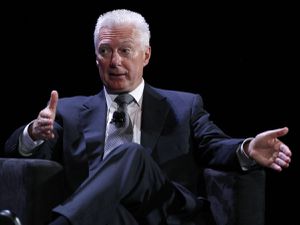
Today, it is nobody else but the CEO of Procter & Gamble (one of the supplier with the largest product ranges) that explain the reason why he believes he should adopt lean retailing. 

Therefore, AG Lafley considers they need to focus on the best franchises, simplify the ranges in order to ease customers' decision and boost sales.

This may seem non relevant, but the fact a company like P&G acknowledge this fact, and is working on lowering the number of SKUs available show clearly that a leaner offer may result in highering of sales, by being more efficient and on focusing on other leverage to improve shopper experience.


Friday, July 17, 2015

Category Management Series: Lean retailing and Inventory Management

Another blog post about lean retailing, inspired by an article that we have already discussed previously in this blog. 

The purpose of this article is to show you how by limiting the product range you could obviously lower your cost of good sold, but also increase customers satisfaction. Indeed, as the article outlines:

In the retail customers' demand is elastic. Retailers need to adapt inventory movements to customer demand. Basically, the concept of lean retailing is to give quick response to fluctuations in demand rather than holding large stocks.

Here is an interesting chart that shows how inventory management could help rise the profits of one retailer. Between the best and the worst scenarii you could lift up profitability by 6%.


Inventory should always been seen as an asset, but a complex product range will have a deep impact on the way you perceive one category profitability.