Thursday, September 24, 2015

Here my answers to the Four Questions About Retailing Future?

Excellent article of Forbes about retailing, asking 4 very important questions about how retail is evolving.

Here are my answers to those questions, which are actually pretty close to the vision of Forbes.

Can virtual reality and augmented reality replace the brick and mortar experience?
It will depend of the category of products. Some senses will always feel better in real than in augmented reality. I don't believe fabric could be one day copied to have a clear benefit with augmented reality. Let's see how glasses vendors have failed to use top of the line augmented reality to boost their online sales. 
Furthermore, I believe people will always like to go shopping as I consider shopping as a social experience. This is the reason why brick & mortar remains the most dominant kind of commerce.


Will shopping become cashless?
Yes, of course. But as the article points out, security is a key issue when talking about cash free payments.

How will the Internet of Things (IoT) transform logistics?
To me, the answer given is not answering the question. Indeed, Internet of things may help customers in decision making. I especially think about Auchan's initiative with Hiku,  a connected object allowing the customer to edit its shopping list by scanning barcodes, or with voice recognition.
But about logistics, are they thinking about the drones? So far I believe a lot of work can be done to adapt logistics to the new omnichannel concept, to have a better look at inventory either at the supplier, in the warehouse or in store. Also, new ways to be more efficient in transportation can be found by big data, and could give an edge to the trailblazers. This is the reason why every body is investing in supply chain.
Will the “sharing economy” be the end of retail?
I don't think so, but initiative to implement some part of sharing economy in the retailing process will emerge for sure. Some categories such as video games or home improvement hardware could see a big lift to implement sharing economy. Also, the sharing economy could be used to improve product delivery, by ride sharing, or by having new ways to deliver goods for E merchants. But yet, people will still need retailers to get innovation and most of their commodity goods. 

Wednesday, September 23, 2015

Some Thoughts On Aldi's Strategy In The US

Aldi is one of the premium retailer in the world. Probably not the sexiest, as it is a hardcore hard discounter, not the hypest, as it barely use RP and do not advertize, but one of the best performing ones, with a unique concept.  Former CEO of Tesco Terry Leahy explained its fiercest competition came from the arrival in the UK market of Aldi. I have recently published a post about its international strategy.

Aldi has recently created a social media campaign with comedian Ben Bailey to promote its US store. The purpose, to show that Aldi has remarkable quality product, and have great prices.

Some thoughts come to my mind while watching those videos: 
  • Aldi's store have nothing in comon with what I know of Aldi in Europe: Larger stores, more choice, better presentation
  • Aldi is advertizing! This is for sure unique. But Aldi has been in the US (with the Aldi Label, not the Trader Joe's one) for a long time and struggling. This could be the reason why they are using advertizing.
  • They use social media, which is probably cheaper than national advertizing, and better accepted than standard media which Aldi don't use in the other countries.
Now if you look at the number of subscription and the number of views, for such a large market, you can clearly see that the success is non really relevant. But Aldi is planning to open 45 new stores, and I believe that the US will become one of the strategic country for the company.

Also, a very important news in the article: Lidl is opening in the US! The potential growth of hard discount retailer in the US will for sure be a great story to follow. Especially because the US market is really difficult, and a lot of foreign retailers such as Auchan or Casino failed to enter.

Tuesday, September 22, 2015

Débrief conférence Whole Food Market à la #Parisretailweek

LSA a été plus rapide que moi, mais je tenais à écrire une note sur la conférence auquelle j'ai assisté lors de la Paris Retail Week. En effet, il est rare d'avoir des intervenants de la chaine Whole Foods Market en France. En effet, l'entreprise n'est pas présente en France, et de ce qu'ils en disent, ils n'ont pas de plan de se développer pour le moment sur l'Europe Continentale. Néanmoins, avec la forte part de l'alimentation bio sur notre continent, et une part croissante, l'arrivée de ce géant américain aurait une réelle logique.

C'est donc Rob Twyman, directeur de la région de la Californie du Nord qui vient nous parler de son entreprise.

Première surprise: Il parle français! Et très bien. Même s'il lit un texte, on voit qu'il manque un peu d'entrainement mais est assez à l'aise dans la langue de Molière. Tout cela grâce à des cours à l'université de Strasbourg dans les années 80 (et non les années 40, petite faute, mais une nouvelle fois, très bel effort, apprecié et réussit).

Il est vrai que la présentation était très corporate, avec beaucoup de sujet sur les "core values", sur le positionnement aux USA, les étapes clés du développement de l'entreprise. La belle histoire (storytelling mais réel) où après une innondation conduisant à la faillite du premier magasin à Austin, les fournisseurs et les créanciers ont remis l'entreprise à flot...

Il manque néanmoins de photos des magasins, qui pourtant est très fort en théatralisation et conceptualisation. Dommage, car Costco lors de sa conférence à Dauphine avait donné de belles images pour bien montrer ce qui se passe là où tout se passe: le magasin.


Whole Foods Market et le E commerce
Par contre intéressant, comme Whole Foods Market utilise le E commerce. Peu de drive aux Etats Unis, même si Walmart se lance avec de nombreux tests. Whole Foods Market a des partenariats avec Instacart et Google pour les courses à correspondance. Ce sont des systèmes multi enseignes, où le client fait ses courses sur plusieurs sites marchands, et Instacart et Google se charge de la livraison.

Whole Foods Market et la concurrence
Whole Foods est clairement attaqué depuis plusieurs années par la concurrence, notamment les "gros" distributeurs américains, notamment Kroger et Costco, qui ont développé des gammes larges de produit bio, à pris resseré. Costco est d'ailleurs le plus gros vendeur de produits bio aux US (voire je crois du monde). Whole Foods a du s'adapter en baissant ses prix, et développer de nouveaux format de magasin.

Whole Foods Market et l'indépendance des magasins
Bien qu'entreprise succursaliste, Whole Foods laisse énormément de place à l'initiative locale. Cela se voit par les initiatives, notamment pour limité l'impact environemental de leurs magasins, ou bien leur assortiment. Très bonne initiative. On le voit bien en France, il existe un réel dynamisme des enseignes indépendantes, qui ont les mains libres pour se focaliser sur la satisfaction client.

Whole Foods Market et son concept
Whole Foods Market  va très loin dans son concept. Filière d'excellence spécifique, magasin à 0 empreinte carbonne, investissement auprès de la communauté, Core Values exacerbées Whole Foods va au delà de son offre commerciale pour assurer son leadership. Toujours peu évident pour des chaines alimentaires.


Monday, September 21, 2015

Débrief #ParisRetailWeek 2015

Je suis allé ce lundi à la Paris Retail Week. Le concept: faire fusionner les salons E commerce et digital in store, avec pour objectif de concrétiser le lien entre brick & mortar et Ecommerce qui est de plus en plus visible. Je trouve d'ailleurs cette initiative sur le papier très intéressante. Maintenant est ce que la promesse est maintenue?

L'événement a lieu à la Porte de Versaille, classiquement, qui reste pour moi une référence pour les salons professionnels. Accessible, grand ,bien organisé, rien à redire. Pour moi, un bon salon, c'est principalement 3 piliers:
  • Des exposants de qualité, variés et innovants
  • Des conférences et Workshops intéressantes, avec des intervenants rare, donnant des cas concrets.
  • Une logique très claire avec un thème très clairement traité.
Des exposants de qualité
Beaucoup de stands connus, peu de solutions réellement innovantes. A remarquer néanmoins la mise en avant de certaines Start Up en devenir, une très bonne initiative. Parmi elle, notamment, TokyWoky, dont j'ai déjà parlé dans mon débrief des SCOPS de Paris Dauphine 2015. Sinon, le Guide.com qui lance un système de veille du pricing pour E commerçant, assez intéressante et abordable. Sinon, il manque pour moi des entreprises de consulting, donnant de la vrai valeur ajoutée. 

Des conférences de qualité
Je n'ai assisté qu'à un seul événement, la conférence de Whole Foods Market, qui était intéressante bien que très "corporate", mais rare donc un événement. Je ferais un article à ce sujet plus tard. Sinon, des workshop très concret, avec des intervenants montrant des solutions pour mise en place rapide. C'est plutôt bien donc pour la partie opérationnelle. Pour la vision stratégique, je n'ai malheureusement pas vu de réelles conférences avec des keynotes allant changer la manière de voir le commerce.

Une logique et un thème clairement traité
L'idée du salon: le retail global. Et effectivement, j'ai vu des fournisseurs de solutions en magasin d'affichage. Les Ibeacons étaient là. Le pricing également (le guide.com) est aussi discuté. Donc l'ambition se sent. 
Mais par exemple, je ne comprends pas l'absence de certaines institutions, comme la FCD, LSA ou bien des grands groupes comme Amazon pour présenter leurs Market Place.

Et les réseaux sociaux?
Peu de live tweets, peu de rencontres, pas de # officiel, une application avec que peu d'intérêt... On peut certainement mieux faire... Par contre, on m'a dit qu'il y avait un Periscope du salon! Ca c'est une bonne idée. Mais je n'ai pas vu son utilisation, qui serait pourtant intéressante, notamment pour les conférences.

Conclusion
Du bien, du moins bien. De belles rencontres, notamment la rédactrice de Global Retail News, mais j'en parlerai également certainement prochainement. Pareil pour Igor Schlumberger, serial entrepreneur de Videomark. Toujours intéressant de venir, mais je pense que la marge de progression est encore très forte. En espérant voir mieux pour la prochaine édition!


Wednesday, September 16, 2015

Marketing to the Bottom of the Pyramid

 I am trying to write a blog post at least 5 times a week (which seems obviously a minimum, but trust me, a lot of work involved), even though I have a heavy schedule. Which explains the reason why sometimes I am discussing about topics that hit the headlines a long time ago, some times several years. But actually it does not really matter to me. My purpose is not to feed you with the most updated stories (even though I try), as other professional bloggers and newspapers can do so way better than me. 

Nevertheless I discuss about topics and share with you my opinion in ideas, in order to provide you with food for thoughts.

That is the reason why, sometimes, I write about old stories. Today, I wanted to discuss with you about an old story I found on Seth Godin's blog. It is about marketing to the bottom of the pyramid.

Most of mature companies in mature markets are aiming to premium their offer, in order to increase prices. But sometimes it is not possible, especially in fast growing markets, where you have massive markets of households with very few incomes.

there is a 1/3 of the global population 2.5$ a day, which represents 2.5 billion people. That's a $2 280 billion market!

But what really matter in the article, is the gap between the culture of those people and of western people. You can't market your product the same way you would with an American or a European. Package matter less. Point of sales advertizing is not really an alternative. "Impulsive purchase" is not possible.

Moreover, as the video points out, it is not easy to make understand to those people the product they need. They don't have the same access and decision making process when it comes to an innovative product. And having a viral marketing campaign would be of very little help.

So you need to focus on those people, their needs, and determine the best way to explain the product, and find the early adopters that will help in the process of mass adoption.

Very interesting article, a lot of food for thoughts, but necessary in order to feed those very important customers.


The Double Bottom Line from Alex Godin on Vimeo.

Tuesday, September 15, 2015

Some Thoughts On Why Groceries Is The 2nd Most Transacted Segment In ECommerce In India


India is a fascinating country, thanks to its large population, its english speaking people and its formidable room for growth. It is a fast growing country, speeding up the pace, and sometimes jumping some technologies gap.

I remember I attended a conference where they said India was going to jump from no Internet to mobile Internet, skipping home Internet equipment. Because of it, it could be a chance to innovate for the country. I read this interesting article about India's grocery Ecommerce market.

"We are seeing many companies aggressively investing in online grocery shopping. Web portals like Big Basket, Grofers, Grocermax have cumulatively raised over USD 65 million to expand their business. We expect this segment to witness 5 lakh transaction a day in 12 months from 30,000 at present," PayU India CEO and Founder Nitin Gupta told PTI.
"About 5 per cent of the total transactions made in e-commerce in India on our platform are from the grocery segment. We see it rising to 35 per cent in a year," Gupta said.

If you read this article, you may think that India could be the promise land for groceries Ecommerce. But I would like to make it clear this is not my case.

Indeed, for the longest times, leading retailers such as Carrefour, Walmart & Auchan, have been looming on the potential of the Indian market. But they so far have failed where they have thriven in Brazil or China.
For 2 main reasons:
  • The market is over regulated, and the government has no intention to let foreign retailers to settle down in the country. 
  • India is poorly equipped in cars, and transportation systems, especially roads, to allow hypermarts to settle down. Major investments are needed to really allow retailers work on an efficient supply chain and to have enough people coming to their stores.
Actually, I checked online two of the grocery Emerchants they are talking about in the article, Grofers, & GrocerMax. Both have based their modells on home delivery, which requires a lot of operational costs, even though obviously manpower is pretty cheap in India. Nevertheless, once discounters like the one named above would come around, they will have hard pricing which will open the market, and will lower the importance of those actors.

Now don't get me wrong, you should pay close attention to this article. Still, to be the 2nd most transacted segment is still a good performance. And when I check those websites they are of a pretty good quality. Also, let's remember India could be the first country to adopt for real the Amazon's drone delivery system. 

 But still, I really wonder what it would be like when the Indian retail market will really open up.

Monday, September 14, 2015

Which Is The Most Efficient Social Media At Driving Ecommerce Business?

I am sure this question interests you. Social media advertizing budgets have skyrocketed and know what is the most efficient usage of social media remains key to manage your campaigns properly.

Here is an interesting tweet, giving some Shopify data on where the crowd comes from.

— Paul Bachelier (@Bach_Paul) August 2, 2015


I have several comments to make about this chart.

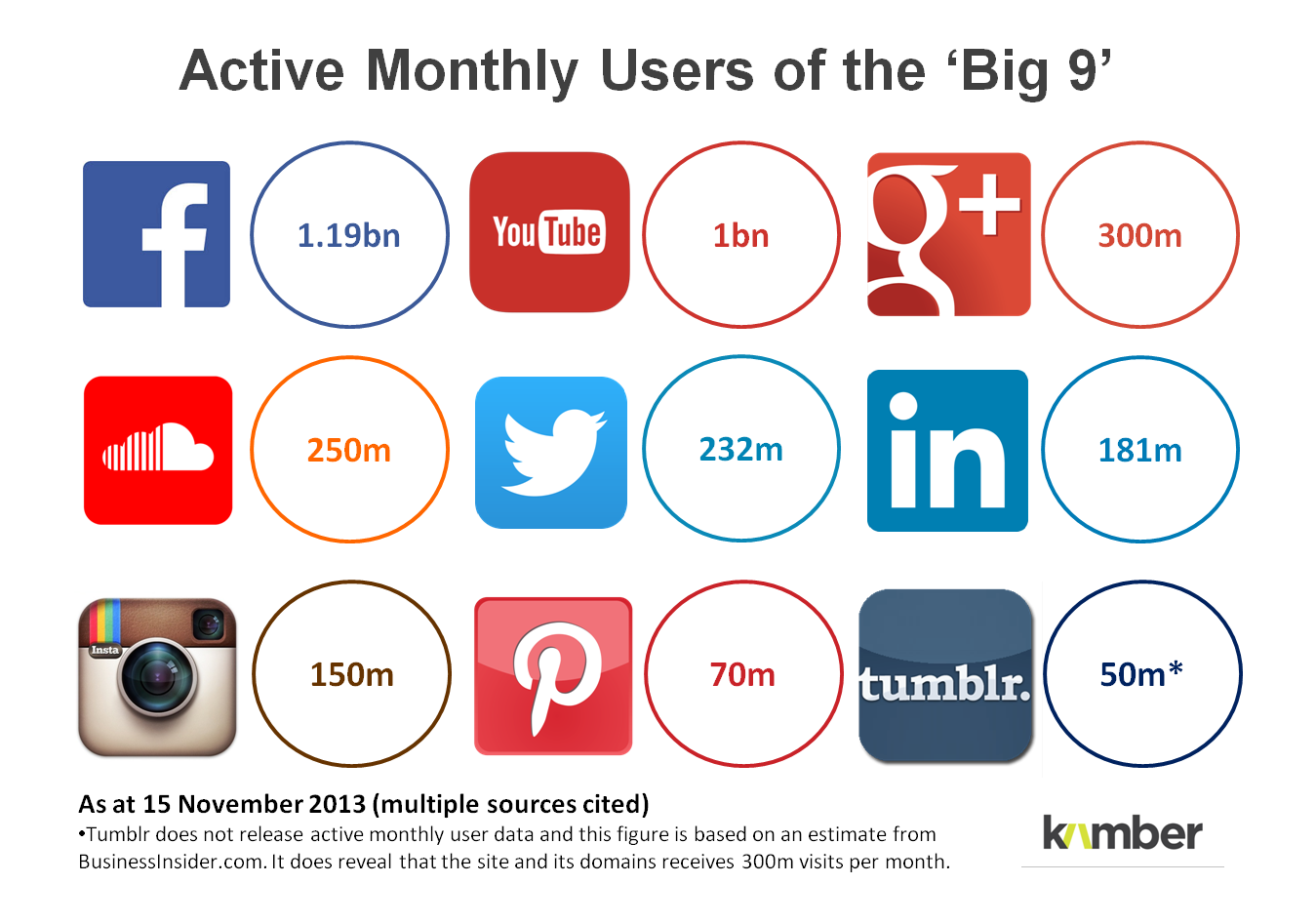
First of all, don't get fool about the Facebook stats. Indeed, below you wil see a chart with the active monthly users with dates close to the chart of Shopify. Facebook counts about 194 times bigger than Facebook or LinkedIn. The only one where can clearly see that is not performing well is Youtube, where the gap with Facebook is huge compared to the number of users.


Secondly, What is very interesting about the chart is to have a category management analysis: some categories tend to be more efficient on Facebook than others. But there is a clear bias. I don't believe Facebook fits well those categories, but I believe social media may fit better those categories. And it is hard to tell if you may have better results with other social media.


Friday, September 11, 2015

Best Buy Testing Shops In Shops At Macy's


Best Buy announces it will open corners in 10 Macy's location starting this holliday season for a testing period ending at the end of 2016.
The goal is supposed for Macy's to boost its electronics category which has been going in limbo, and for Best Buy, to benefit from the large foot visit of Macy's in order to find new real estate space with added value.

The move seems obvious, and the benefits for both companies evident. Nevertheless, I am not really convinced about how well the test will go. Especially as Carrefour has already made some tests of a partnership with Virgin to manage its cultural goods category, with very few success. Obviously, the cultural good category was undergoing major changes with the digitalization which has already started, and Virgin was about to shut down in France in the new few years.

But the interesting question is: Can a retailer have a corner? Does Best Buy's brand and added value could be strong enough to be successful at Macy's? Does Best Buy's category management expertise is strong enough to create more value than Macy's skills?

Thursday, September 10, 2015

Category Management: Why I love working in the Health & Beauty Market

It has been now two years that I am working in the health and beauty market. As a retail professional, I don't really have a preference in terms of categories nor kind of retail format (I have worked for hard discounters, supermarkets, hypermarkets...). What really drives me is the interest of the challenge and the mission to fulfill. But I must admit I love to work in the cosmetic market.
Why? Because more than any other categories, you face a multiple competition:

  • Other FMCG retailers
  • Pharmacies & Parapharmacies
  • Specialized cosmetic retail chains like Sephora
  • The Internet
  • Clothing chains
  • Among others...
I recently edited the presentation you'll find below. It gives you a clear view of the competition. The point is not to say that the market is very competitive. All markets are. But because of this multiplicity of concepts, it brings a large place to creativity, and the urge to find the new trends to understand in order to perform. 


Wednesday, September 09, 2015

Pricing Strategy: Don't Change it too often

There is a lot of hype around pricing. You only have to see the large number of pricer positions springing up everywhere. It is easy to understand: by managing properly your pricing strategy you may:
  • grow your profits by having a direct impact on net profit
  • Developping customer preferences by altering the price image of one brand/retailer.
And as a matter of fact, the new big data technology allowed to implement new pricing strategy fast:
  • By allowing to have large data base to evaluate the impact of different prices alternative
  • By enabling deep analysis of those alternatives
  • By changing price tags fast, especially thanks to E comemrce and electronic price tags in store.
But the Harvard Business Review is actually alterting that too many pricing strategy changes may hurt deeply your business:
  1. It creates confusion for customers, that would rather postpone their purchasing decisions
  2. It will trigger your competition into a pricing war that will in the end be destructive and result in a loss of control of your own pricing strategy
  3. By changing too much prices, you will get the attention of customers on pricers rather than on product features, and it could actually change its decision making patterns, and you could lose some of your brand attributes, and lower your brand loyalty.

This is the reason why, despite the importance of the new pricing strategy definition, you must

Sunday, September 06, 2015

Some Thoughts About Multiple Inventory Tools In Terms of Omnichannel Retailing

Inventory is a key element of category management in retail. Actually, it was the first step of the category management process: the ECR, effective customer response, is based on sharing information about sales, inventory, and production by both retailers & manufacturers. 

Even though most of retailers consider inventory as a liability, something that cost money, Ikea believes it is more an asset: the more inventory you have, the less chance of being out of stock, which means you minimize your missed sales, increasing turnover. 

But there is a big challenge that appeared with omni channel retailing : how do you manage the different concepts, especially brick & mortar & E commerce inventory? There are in my opinion two main issues:
  • In 90% of the cases, information system dealing with inventory are different between brick & mortar & E commerce business units. Why? Because they have not been created at the same time. Especially, in brick & mortar, they are hardcore huge data base, with a lot of risk to transfer to a new system. But that causes a big issue, as it means it is difficult to have a single inventory system that may ease the inventory management for both BU
  • In nowadays E commerce, market places take a larger space in the game. And in market places, the merchant don't manage inventory. Therefore, if you sell some goods by a third party, it is difficult to forecast which share will go to the third party and to you.
But by having a global inventory, taking into accounts online & brick & mortar sales will be a key factor of success for retailers in a near future. 

Friday, September 04, 2015

Some Thoughts On Grocery Trucks

Our world is evolving fast, toward a more complex world, but where proximity will be key, and timing crucial. This is the reason why I love the pop up stores concept, and food trucks. I discuss a lot about those in this blog.

I read a great article about grocery truck not so long ago, assessing that we will see more and more grocery trucks in our streets. There have been some good examples of truck or pop up grocery concepts lately: 

What I like about this article, is that it points out that we are living some sociological changes that retailers must take into consideration:
"Traditional retail was born with modern suburbia. At the time, consumers could come and park easily with their brand new car. Not anymore. Dense urban traffic, environmental concerns, gas price, multiple taxes are now deterring consumers from taking their car to go shopping. 1.3 million people move into cities every week. More than half of the world’s population currently lives in cities; by 2030, two-thirds of the population will be urban dwellers
This trend matters because urban areas are the drivers of economic growth: industrial and commercial activities in urban centers account for 50%-80% of GDP in most countries.  According to the United Nations, the world’s top 25 cities are home to over half of the world’s wealth. Even old cities continue to grow, as shown below."


Now do I believe that grocery trucks will take a concrete market share of FMCG markets? Not so sure:
  • If it is to deliver groceries that have been prepared before, you still need a place large enough to accomodate a large number of customers.
  • Operational costs, even though optimized, will still be pricy
But I am sure there are some food for thoughts to develop a concrete business model, especially in certain categories of products with high added value, to thrive with this new model.


Wednesday, September 02, 2015

CVS Category Management Plan To Adapt Important Market Changes

I have previously discussed about CVS, one of the leading pharmacy network in the US, as they have decided to shut down their tabacco activities due to uncompatibility between this category and their brand image. They hence turned down $2 billions in sales by this move. Recently the Times published an article on their new strategy and their CEO Larry Merlo. 

CVS, as a nationwide pharmacist takes a large responsability in its role for the society: "He thinks CVS can save lives - and hundreds of billions of dollars in unnecessary health care costs annualy - by efficiently treating Americans' routine sniffles and aches, nudging them to take better care of themselves and making sure they take their medications when they're supposed to.

Most of the time, Europeans are joking about US pharmacy as they can shop for beers, milk or chips, something unconceivable in Europe. But I highly like the way CVS is working on its stores in order to adapt to the changes in the way health care is dealt in the US, especially since the Obama Care is effective.

The developpement of Minute Clinic
Minute Clinic is an initiative to provide health care advices in store in order to ease the access to medicine. They use big data in order to access the information of patients in order to provide a clear diagnostic to the patient in order to heal him. 

Obviously, while discussing about category management, the health care business is far from being the same from fmcg. But what I like about CVS actions in term of category management, is that their choices are meant to fulfill a clear strategy. A strategy which is actually in harmony with what the stakeholders really need.


Tuesday, September 01, 2015

Aristide Boucicaut: The Trailblazer of Modern Commerce and Retailing

I am currently reading the amazing book of French Expert in retailing Olivier Dauvers on the "Saga du commerce français" (the history of French Commerce). The concept is simple: to detail the history of retailing in France. 

Indeed, we have a long history of entrepreneurship in the retail business in France. Some of them has actually inspired some of the world leader of retail at the moment. I have already discussed how Sam Walton had the idea of his supercenters while visiting some Carrefour stores in Brazil. But what surprised me is that I have never discussed about one of the trailblazer of modern commerce: Aristide Boucicaut.

And that is the first date of this book.Aristide Boucicaut is the founder of "Le Bon Marché", the first department store. What is great to see is how his creation has changed dramatically the world of commerce, and actually invented retailing as we now even today. Here are the main inventions linked to Aristide Boucicaut:

The Price Tag
The book highlight well how revolutionnary the idea was. Prior to the department store, merchant did not advertize their prices and were fixing it upon the look of the clientèle, trying to sell as expensive as they could, based on how looked the customers and what wealth he could potentially own.
Aristide Bouciaut at first began to set some clear price tags, avoiding the fear for customers to be ripped off, and securing them to pay the right price. That was a real revolution! and Nowadays, it is hard to believe it was not the case before.

The Invention of the Catalog
In order to promote its prices and its choice, Le Bon Marché decided to publish some catalogs. They were the first tools of home delivery system, which is now very popular with the Internet.

Discount
Before even price elasticity exist, Boucicaut decides to cut his margins from the standard 30 to 40% to 13,5%. He then was able to attract more customers, to have higher rotation rates, and therefore to save on the operationnal costs what he left in margins.

Perequation
Aristide Boucicaut did not have any big data or computer able to have complex pricing strategies. Still, he understood that in order to preserve margins and to have a good discounter images, he needed to differenciate his margins upon the products. He could then dump some prices of popular items and get the money back on others. The idea was to have a good price image on popular items, and the rest even if they were at a standard price looked cheap.


Department store: Everything under the same roof
As Boucicaut experienced success, he then decided to move to a larger store and to open new category of products. The merchants of the time thought it was a mistake as it was impossible to have any expertise for a merchant in such a vast product range. He hence hired experts in each departments, giving them high incentives on the overall results, to secure to have the advice and the good merchandize. The more choice and products he had, the more customers went to his stores.

Special Event Sales
In the early days of 1873, Paris was hit be cold weather and snow, and the store was empty. Boucicaut decided to create a new operation "le blanc" (White). He decides to get all his white merchandizes (handkerchief, tissues, bed sheets...) and set them up for the store to be all whitened up. The crowd came to see the piece of art he did. Lz blanc still exists today and the event is played by most of retailers, as one of the best promotional events of the year. He understood he had to create events to trigger customers' visits.

Social Benefits
At the end of his era Aristide Boucicaut decided to give extra benefits to his employees, in order to decrease the gap between the salesperson and their premium clientele. Hence he set up a free library, and the premise of a health care system.

When you look at all those innovations, you can clearly see that all of them shaped the way commerce is handle nowadays. This is the reason of this homage to Aristide Boucicaut

Wednesday, August 26, 2015

How Small Businees Could Benefit From Instacart


Instacart is a US start up which is proposing same day grocery delivering.

Today, Instacart is fighting up against Amazon, which has set its strategy of online grocery shopping thanks to its same day delivery service.

What is innovative, is that Instacart is hiring "shoppers" in order to deal with the grocery picking and deliveries. Moreover, what is great is that it could be used in different stores, as the service is not linked to any retailers.

This is the reason why I would like to go beyond their actual service, and I believe it could give a lift to the small downtown retailers. I believe that in our nowadays competition local retailers have great opportunities if they can work together in order to create a comprehensive offer. And Instacart, by allowing one person to shop for another person, could be a great way to ease shopping in different small retails. It could for those retails:

  • Provide online and mobile exposition
  • Provide a better customer service
  • Recruit some customers that don't usually go to their shop.
What do you think about it?


Tuesday, August 25, 2015

Concentration des centrales d'achat en grande distribution: Vers plus de marketing?

Excellente tribune écrite par Frank Rosenthal pour le monde. L'année 2014 a profondément modifié le monde de la grande distribution en France. Le rapprochement des principaux acteurs en 4 super centrales d'achat, via souvent des alliances indépendants-intégrés a modifié la manière de négocié.

Elle a aussi certainement pérennisé la guerre des prix, octroyant à chacun des acteurs des conditions commerciales proches. Maintenant, il est temps de voir ce qui va se passer après.

Première question: est ce que ces alliances sont pérennes? Comment vont elles évoluées? les différentes allicances de différentes natures montrent bien que les évolutions risquent d'être importantes prochainement.

Deuxième question: comment créer de la valeur ajoutée au dejà du prix? Les rentabilités des distributeurs sont mises à mal, aussi il faut trouver de nouvelles manières de créer de la valeur. 2 axes:
  • Le coût outil: en améliorant les structures de coûts, logistiques (transport, entrepôt), magasin (frais de personnels, frais généraux, électricité...), coût centraux (marketing, communication, études, services au point de vente), commerciaux (tailles de l'assortiment, réduction de la promotion, réduction des surfaces, suppressions  de magasins.
  • La "value for money": développement de services (garanties, choix, accueil en magasin, qualité des produits frais, etc...)

Aujourd'hui, Frank Rosenthal penche plutôt pour la deuxième option, en pariant sur une augmentation de l'importance des stratégies marketing des enseignes. Je suis d'accord avec lui. Néanmoins le réel challenge pour les enseignes restera leur capacité à avoir les moyens de leurs ambitions. En effet, il va falloir faire "plus" avec "moins" de moyen, car je vois mal un distributeur sortir de la guerre des prix pour financer une politique marketing visant à améliorer la value for money et l'expérience client.

Et vous, qu'en pensez vous?

Wednesday, August 19, 2015

Retail Strategy: Whole Food Market Launches New Store Concept To Counter Attack Competition In The Organic Food Market


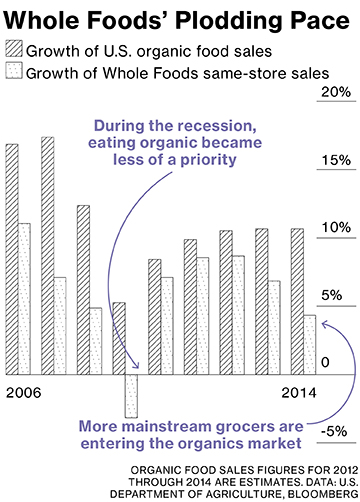
Whole Food market is in a very interesting position. It is considered as one of the fastest growing retailer in the US, thanks to its unique concept of organic, healthy and sustainable growth strategy. But lately, US competition has awaken with appetite for market share. This is the reason why Costco has recently published organic sales turning the company into the market leaderKroger’s natural and organic Simple Truth line has become a $1 billion-a-year brand.  And Whole Food Market growth is slower than the market's growth.

What is true though is that more and more competition is entering the segment, making the products more available, cheaper, and therefore reinforcing the penetration rate and the sales (which could be on the long run a good thing for Whole Food Market to get a new clientèle).


Therefore Whole Food Market needed to set a new strategy to fight against the new competition. That's the reason why Whole Food Market is launching a new store concept called 365. Smaller stores, in downtowns, to attract new customers and develop its store network. 


Now will it be enough? I believe it is interesting to see Whole Food Market focusing on downtown smaller units. In France, this is where the organic retailers are thriving. Also, I believe there is a lot to be done on the Internet, in order to adress to a clientèle that is accustomed to the E commerce. But maybe (and probably) Amazon is around the corner...

Tuesday, August 18, 2015

Retail Strategy: Sephora Is Expanding Its E commerce Activities

Sephora has recently launched a beauty box offer. The concept is simple: 
  • The customer fills in a questionnaire, about its preferences in terms of cosmetic products (colors, style, type of skin...)
  • The customer pay a monthly subscription
  • Each month it receives a box full of samples to try out
Now, the fact that Sephora proposes beauty boxes is not what is really outstanding in terms of retail strategy:
  • It is a leader of the beauty market
  • The beauty box is known to be a success for several years in a row
  • They have strong brand partnerships, and already proposes tons of samples to their customers.
What is interesting, is to see how Sephora leverages its Ecommerce presence. Indeed, not for every companies it is a good idea to launch an online stores. At least, it is difficult to find success as competition is very tough. Especially when Amazon is eager to develop the category online.

But the fact that one retailer creates a specific offer for its online strategy is something very interesting:
  • Rather than selling DVDs online, why not selling a streaming service?
  • Instead of selling the same clothings than in store, why not having a customization proposal?
  • Instead of selling some furnitures online, why not having a second hand market?
There is a lot of new business models, created by start up or not yet existing online, that need to be figured out, and having a creative and unique strategy online could be a great way to generate online traffic and extra sales.


Monday, August 17, 2015

Category Management: CVS Go On With Its Strategy With A New Store Concept

CVS now needs to move beyond with its concept.

 Hence, CVS has undertaken a clear category management strategy in order to stick with their core mission. And it is expressed in their new store concept.

“We are trying to help educate her right at the shelf so she can make some really good decisions for herself,” Foulkes said. One area in which the company has tried to raise the bar is in women’s wellness, where it has expanded offerings to provide a wider range of solutions to address the different stages of a woman’s life — not just prenatal but also post-natal; not just products to help manage menopause but also, perimenopause, Judy Sansone, SVP, front store business, told DSN.
“As we look to continue to strengthen our brand, we are looking to do some more innovative things in our core categories. The CVS/pharmacy brand is actually the No. 1 brand in our stores and as we think about it in our core categories first aid is a great example,” said Cia Tucci, VP, store brands.  “We just recently launched an expanded wound care line, which is an exclusive relationship with a supplier who specializes in hospital-grade wound care. … This is one way we are strengthening the core of our brand and we are really excited about this.”

CVS is working on its product range and service to provide a comprehensive shopping experience. You can see it in the example below:


Specific end of the aisle specific display to promote some categories


A reshape of the beauty sections, with lower shelves and a lot of marketing on the point of sales.


Clear labels to explain the different categories of products. Also an extensive work on categories, that go beyond medication, with food (gluten free, organic...)


I am convinced CVS made the right move, and we will soon enough the results of those initiatives.

Friday, August 14, 2015

Category Management Series: How To Lower Sales Under Promotions?


Promotions is not always the first item you study about in marketing and/or category management classes. For sure, we discuss about 4 Ps, but most of the time, while talking about promotions, professors talk about media planning, communication channel, rather than how to spend a promotional budget.

But nowadays, promotion is clearly part of the landscape of what is going on in retailing. The share of sales under promotion is about 20 to 30% (depending on categories), and is still growing. I invite you to read Toby Desforges' amazing article he wrote about the topic. He assesses the right diagnosis of what the state of promotion is at the moment, in the UK, but same thing could be said of the French market. Here are the key bullat points I must highlight:


  1. an annual promotions spend of close to US$310 Billion. That’s roughly US$44 spent for every person on the planet and nearly twice as much as is spent on cancer research every year in the EU. 
  2.  less than one third of promotions break even
  3. Today promotions are a habit. As shoppers we are used to stores and websites dripping with messages about the latest offers
  4. nearly 80% of the time is spent planning, executing and evaluating promotions
  5. Even a reasonably profitable brand (making say 25% EBIT) would have to sell 66% more in order to break-even on a 10% price discount (see page 219 of “The Shopper Marketing Revolution“). According toDeloitte’s, the average composite net margin of a global consumer goods business is 9.6%, so for most securing a break-even is probably economically impossible.
  6. More over, promotions are so key to suppliers that it is most of the time one of the key elements of the contracts they sign with retailers.


So why are we going on? Well, because as I have said, 30% of sales are made under promotions, and by avoiding promotions, you leave the space to competitors to get market shares, and also retail space (end of the aisle ones). It is also an easy action which impacts instantly sales and market shares.

Now don't get me wrong, promotions are a great way to attract new customers, to increase sales, to trigger impulse purchases, to show out innovative products. It needs though to be mastered carefully.


In fact, there are to me two main information retailers must know in order to get ready for lowering the promotion habit:

1 Identify clearly discount hunters and loyal customers
 The discount hunters will always get non profitable products, which they would get either in your store or somewhere else. Those could be abandonned for sure. Loyal customers must get their discount as a reward to their loyalty.

How to identify them? Loyalty programs provide enough data through the purchases habit to identify them & what they buy. Probably some brands and/or markets interest more those people than other. Cutting on those promotions could be a clear first step to have clear results.

2 Test the strategy
You may identify some stores where you could cut off promotions to identify what is going on. By having those sample stores, it would help to identify clearly what is at stake, how the permanent items sell. But more than simply by cutting down the promotions, it is also important to have clear idea on how to create added value to customers to compensate the lack of promotions: merchandizing, product range, cut down prices, new services...

Thursday, August 13, 2015

Twitter Feed To Follow For Retail Pros: The Shopper Marketer @ShoprMktg4users

I don't necessarily advertize a lot about the people I follow on the Internet (even though I don't hide it, as you may check the people I follow on LinkedIn or Twitter), but this time I wanted to share with you the fidings I made about The Shopper Marketer.

Retail is detail, and operational execution is key. There is so much that could be done on a point of sales to trigger the sales, to introduce new products, or propose new ways to shop, that I am always amazed. I don't exactly know who is behind the twitter account, but it feeds us with great pictures of in store merchandizing initiatives, from all over the world (or at least Europe). A kind of International Olivier Dauvers. I love to hang around, seeing the new pics he posts. Here are a very few pics I found interesting. 

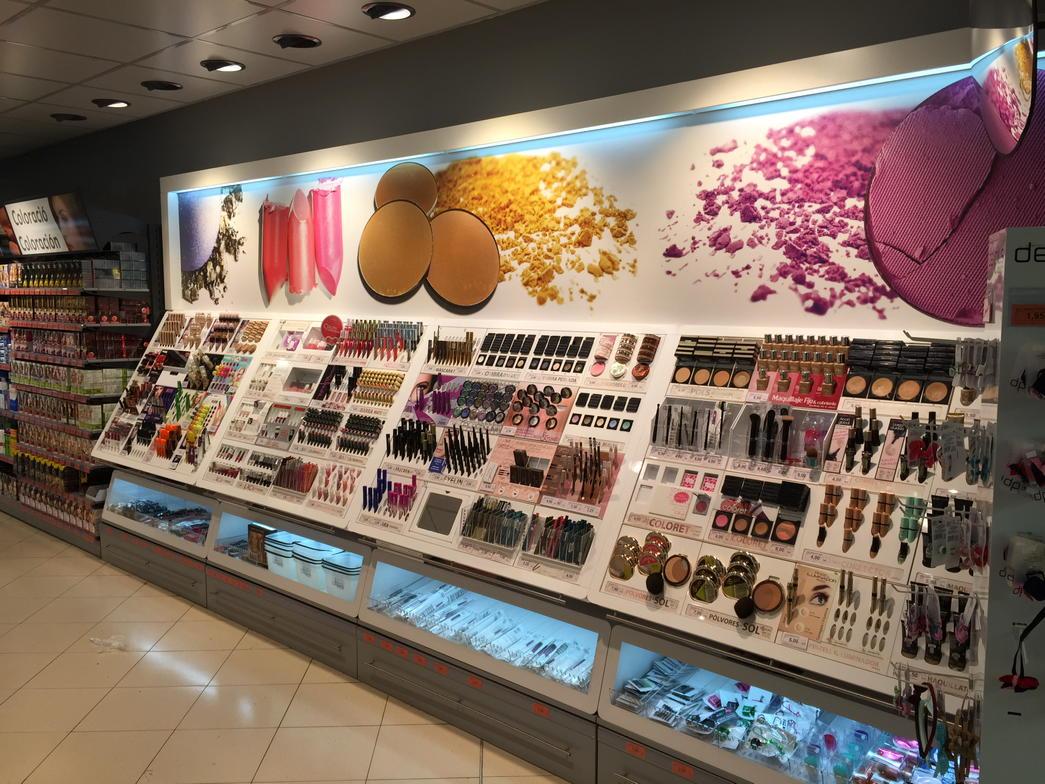
Mercadonna and its lovely display of Make Up in Spain, with the creative shelve drawer under. 


Tuesday, August 11, 2015

Category Management: Dealing with Out of Stocks

Out of stocks is for sure a key issue for retailers. Indeed, studies show that products that are out of stocks tend not to be replaced by another product, which leads to lost sales.

In France, LSA has reported that in 2014, 1,4 billion € have been lost due to out of stocks items. This is a key issue in the near future, as sales growth targets will get harder to achieve in mature markets like France or the US.


Now here are some keys to think about while fighting against Out of stocks:
  • Limiting product range, in order to ease the operations and secure full access at all time
  • Having a better supply chain, allowing better leadtime to be more responsive while stock is shorten.
  • Working on shelf capacity: having enough capacity on shelves to respond to the demand, and not being out of stocks on your busiest day.
  • Having a better cooperation between retailers and suppliers on the ordering process: the out of stock could be caused either by the supplier (not delivering) or the retailer (not ordering enough). A better sharing of information could ease the suppliers' production & retailers order.
The threat behind out of stocks is obviously breakings which could be costly for retailers, but also cost of inventory, as most of the time it is the skus with lower rotations that tend ironicaly to be out of stock sooner. 

In the article ECR is alerting the retail actors about the issue. ECR is willing to work with all retailers and suppliers in order to find out a specific method which could be adopted by all to fight against this issue. This is actually to me a category management issue, as it is costing sales, and you could develop the best product range with the best store concept, if you are falling out of stock on key items, you would lose sales and customer satisfaction.
A white paper is expected to express the findings of ECR.

Monday, August 10, 2015

What's The State Of Drive Thru Retailing In France


One of the purpose of this blog is to share with you the innovation and what is going on in the retail business in France. France is one of the premium retail market with leaders like Carrefour, Auchan, Fnac and so on.

One of the main innovation that happened the past 10 years is obviously the drive thru hype. It represents now over 6% of the whole market, and the number of these stores has sprung up over the years. Hence, most of the market growth comes from those new types of retail.

French Newspaper LSA share with us the state of drive thru at the moment. The market starts to mature, and the number of opening per months has dicreased. French leader E. Leclerc will open only 50 drives this year after having opened 140 in 2014, to reach 600 drives. Actually, some locations start to close, some of them which have been opened at an early stage of the franzy. 

Today, the drive thru has a penetration rate of 25%. One of the interesting figure is that the drive thru is losing customers. 3,1 million customers abandonned the channel, 2 millions were recruited, and hence they lost 1,1 million customers. The growth then come from the loyalty of the users, and the effort to grow the average basket. 

Now the next phase is to open drive thru locations downtown, in order to reach a new clientele. The story is still unfolding. 

I believe that the French market of drive thru is very important, because I believe that this new system of retailing will soon boom in other markets, especially in Northern America. 

Thursday, August 06, 2015

Some Thoughts On Wanzl White Book On Retailing

"Re enchanting the store": This might be a cliché issue for retailers. It has been a while retail experts,customer relationship management consultants are working on a new vision of what brick & mortar commerce should be. But after almost a decade of the real digital revolution (to me, marked on the rise of the smartphones via the Iphone and social media via Facebook) commerce seems not to have evolve that much. The old Bernardo Trujillo's rule still apply, even though the emphasis on shopper experience has for sure changed the primary goals of retailers.

I have recently read the white book of Wanzl (in French) that discusses about this will to re enchant the store. It has been written by Bruno Daucé, a French expert I know very well on experiential marketing. What the White book points well, is how shopping experienced is impacted by our senses: vision, touch, hearing, smelling. And that is what is interesting in the book. Not to focus on technology for what the technology is, but what can deeply impact the well being of a shopping experience.


Tuesday, August 04, 2015

Permission Marketing: Thoughts On How Social Media Leverage Their Potential On Advertizing

I wrote not so long ago an article about how people were blocking ads on social media, and why it was a threat to the ecosystem. Don't get me wrong, I still believe the same way. But I am a high consumer in Youtube videos, I use to listen to shows and/or music online. And since several months, I am spammed by massive number of commercials. It is nearly impossible to have over 5 minutes of content without a commercial popping out.

Another issue, is that most of the time, it is continually the very same commercial that pops out. It has been for weeks Engie, the new merger between GDF & Suez, but also commerciales about clothing soaps, among others.

I point out two issues:
  • The number of ads proposed, which doom the user experience
  • The fact the threshold effect is reach so fast, as it is the very same commerciales showing on...
Social media and online advertizing was supposed to be the age of customized and rich content, with retargeting technique, and accurate message at the right time. None of that.

In a race to be considered as a key social media company, a lot of global corporations are spending massive amount of money to flood the web with their commercials. They use the same techniques online than for a TV campaign. And that worries me. 

  1. Worries me as a user, because I can't enjoy a good experience
  2. Worries me as a marketer, because I believe we are far from the permission marketing and one to one marketing as it should be done with social media
  3. Worries me for the social media eco system companies like Twitter, Facebook or Youtube needs in order to keep growing and developping their amazing products.
I believe social media have a part of responsabilities, as they are the ones who permits announcers to publish commercials. They therefore should take a good care of their user experiences, because if not, maybe people will turn to other social media.


Monday, August 03, 2015

Movie Review: 12 Angry Men

I recently watched a movie I watched already as a teenager: 12 Angry Men with Henri Fonda. The pitch: a jury of 12 men needs to make a decision on the guiltiness of a young kid who supposely killed his father.

What is interesting in this movie is obviously the way Henri Fonda is able to convince one after anothher every one of the jury based on one simple paradigm: there is a certain doubt about the fact the kid has not killed his father. Henri Fonda is not speaking much to make his points, he actually rather have the others speaking in order to demonstrate they are wrong.

It also shows clearly how paradigm shape the way people make their judgement, far more than actual facts, no matter what they say.

A very interesting movie to watch and rewatch to analyze the whole script and how the debate evolves.